
Canadian Sportswear Shops Group Buying for Baseball Hat | Baseball Cap | xhcaps.com
Canada's vast geography and relatively small population present unique challenges for independent retailers. From the bustling streets of Toronto to the scenic boutiques of Vancouver, local sportswear shops and gift stores face high shipping costs and limited access to diverse inventory. For these retailers, importing high-quality headwear from international hat manufacturer facilities can be a gamble due to high minimum order quantities and freight expenses. However, a strategic solution is taking root: the combination order or group buying model. This approach enables independent shops to pool their orders, sharing container space and unlocking the factory pricing typically reserved for big-box retailers.
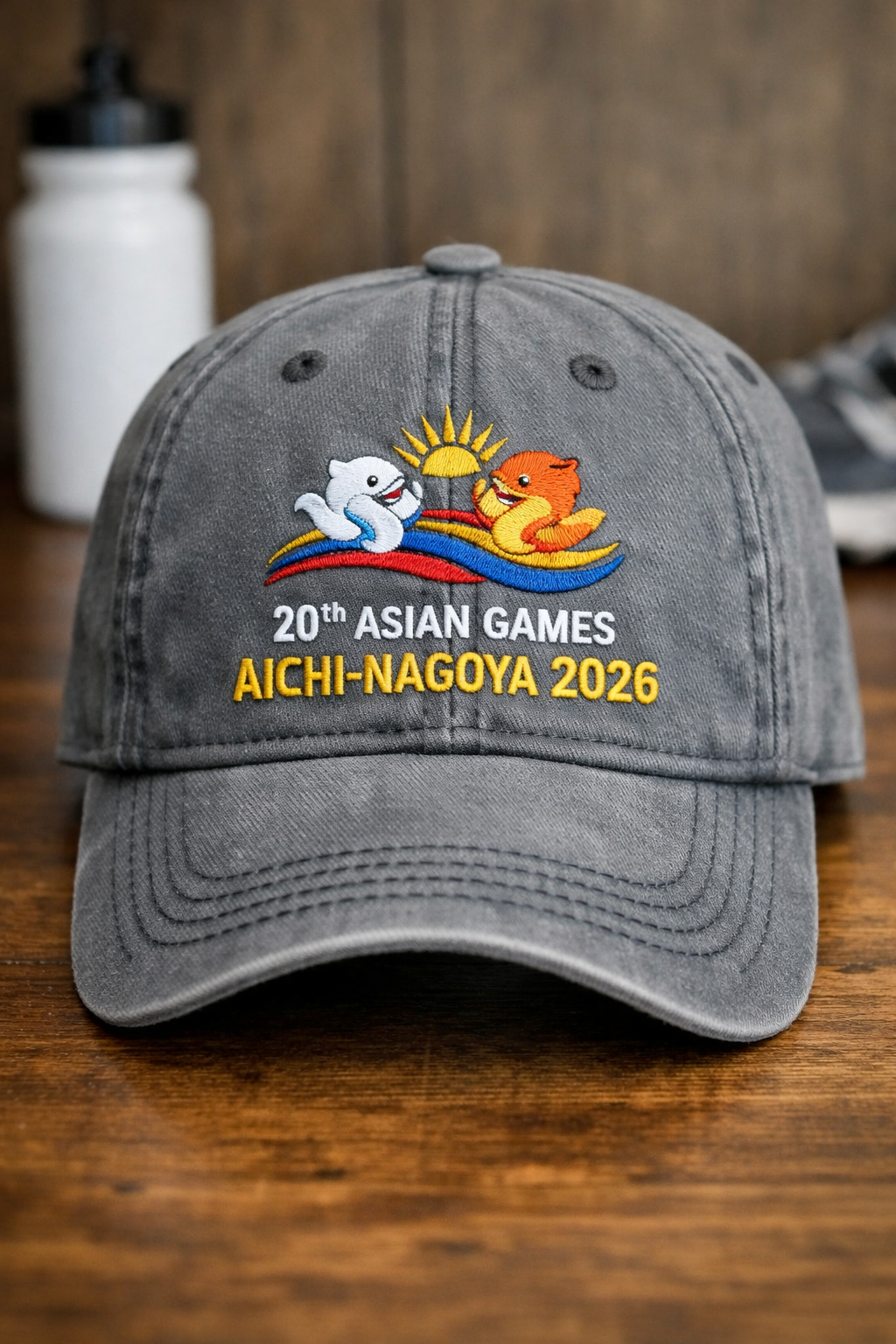
The Canadian retail sector is characterized by a strong sense of community, making group buying a natural fit. Independent shops often share supplier relationships and are willing to collaborate for mutual benefit. A group of five sportswear stores in the Greater Toronto Area recently collaborated on a combined order for the 20th Asian Games Aichi-Nagoya 2026 Embroidered gray Adjustable Cotton Denim Baseball Cap. This style, with its versatile gray denim and adjustable fit, was seen as a strong candidate for both casual wear and event merchandise. By combining their orders, the shops achieved a landed cost that allowed for a competitive retail price, effectively matching the offerings of major sporting goods chains.
For a Private Label Hat Manufacturer, the Canadian market offers opportunities for customized branding. However, the MOQs for private labeling can be a barrier. Group buying changes this. A collective of six boutiques in Quebec pooled their resources to create a private-label Family Matching Embroidered Denim Caps set for the summer season. Each boutique took a specific color variant and size range, collectively achieving the MOQ for custom packaging and labels. This allowed them to offer a unique product that distinguished them from competitors, fostering customer loyalty. The ability to customize the sweatband and inner lining added a premium touch that resonated with Canadian consumers.
The economic benefits are multifaceted. Primarily, the combined order volume allows retailers to negotiate better unit prices from cap b2b supplier companies. Typically, a single shop ordering 200 units might pay $8.00 per cap. When that order is combined with four other shops to total 1,000 units, the unit price might drop to $5.50—a significant saving of over 30%. These savings directly impact the bottom line, allowing retailers to either increase their margins or offer more competitive prices to customers. A Calgary-based retailer who participated in a group order for Team Spirit Adjustable Cotton Cap noted that the savings allowed him to offer a promotional discount that significantly boosted sales during the hockey season.
Shared logistics are perhaps even more critical for Canadian retailers. Shipping to Canada is notoriously expensive, with duties, taxes, and brokerage fees adding substantial costs. In a group buy, these costs are shared. A combined shipment is sent to a central consolidator, who then distributes the individual orders to the participating retailers via domestic courier. This method is considerably cheaper than each retailer arranging their own international freight. A Vancouver retailer estimated that the per-unit shipping cost for his order of Campus Style Embroidered Denim Cap dropped by 55% when shipped as part of a consolidated container with other retailers.
The model also reduces inventory risk. Retailers can test new styles without being forced to purchase a massive volume. For instance, a shop in Halifax might want to stock the 20th Asian Games Aichi-Nagoya 2026 Embroidered gray Adjustable Cotton Denim Baseball Cap but is uncertain of local demand. By participating in a group buy, they can commit to a smaller sub-quantity—say, 100 pieces—and gauge consumer interest. If the product sells well, they can increase their commitment in the next pooled order. This phased approach to inventory management is far less risky than a single large order.
Quality assurance is enhanced in a collective framework. Retailers can collaborate to send a sample to a third-party testing lab or agree on a quality standard before production. This shared cost ensures that the final product meets expectations. A group of retailers in Ottawa ordering Alumni Commemorative Gray Hat – 2026 designs for a local university's homecoming event collectively approved a prototype, ensuring that the embroidery quality and fabric weight were consistent across all orders. This collaborative quality control process builds trust among the group members and with the manufacturer.
Canadian retailers are also leveraging group buying to source specialized products. For example, the demand for Kids' Soft Cotton Baseball Cap styles is consistent across the country, but individual shops often struggle to meet MOQs for the required variety of sizes and colors. A group of children's clothing stores across Ontario pooled their orders to offer a full size run of soft cotton caps in several colors. The Comfort Fit Soft Cotton Baseball Hat became a bestseller, and the group was able to reorder quickly because they had established a reliable pooled procurement channel.
From a manufacturer's perspective, working with a consolidated order from Canadian retailers is more efficient. A Custom Hat Manufacturer can run a single large batch rather than numerous small ones, reducing setup time and waste. This efficiency is often shared with the buyers. The 20th Asian Games Aichi-Nagoya 2026 Embroidered gray Adjustable Cotton Denim Baseball Cap style, with its intricate embroidery and denim material, benefits particularly from large runs because the setup cost for the embroidery pattern is amortized over more units, significantly lowering the cost per piece.
Digital platforms are making group buying easier to coordinate. Retailers can join online communities where they can signal their interest in upcoming orders, negotiate collectively, and track shipment status. A retailer in Edmonton described the process: "We use a simple spreadsheet to track commitments, but we're moving to a dedicated platform that automates the consolidation and ordering process. It's like having a purchasing department without the overhead." This digital shift is democratizing access to global supply chains for small Canadian businesses.
In conclusion, the combination order model is a powerful enabler for Canadian independent retailers. It mitigates the disadvantages of size, unlocks cost savings, reduces risk, and fosters a collaborative retail community. By pooling their orders, Canadian shops can compete effectively with larger chains and offer high-quality products, including styles inspired by the 20th Asian Games Aichi-Nagoya 2026 Embroidered gray Adjustable Cotton Denim Baseball Cap. This approach is particularly valuable in a country where geography and scale pose unique logistical challenges.
If you are looking for a professional hat export manufacturer with higher cost-effectiveness, please fill in your email address and send us an email, or contact us directly via WhatsApp! We will reply to you as soon as possible.
Contact Information:
Sweet Ocean Headwear Group Co., Ltd.
Korinna Zou
Mob./ WhatsApp / Wechat: +86 138 2926 4153
Email: Korinna@xhcaps.com ; sales@xhcaps.com
Website: https://www.xhcaps.com/
https://www.youtube.com/@SweetOceanCaps
https://www.instagram.com/sweetoceanhats/
https://www.facebook.com/profile.php?id=61577366520008
https://www.linkedin.com/in/korinna-zou-669bb9355/
https://ca.pinterest.com/korinnazou/
Sweet Ocean Headwear Group Co., Ltd.
Headquarters: No.1468, Building G1, Tian'an Cyber Park, No.1 Huangjin Road, Nancheng, Dongguan, Guangdong, China 523080
Factory: Shipai, Dongguan, Guangdong, China
Tel: +86 769 2285 0886, 86 769 2315 6836,
Mob./ WhatsApp / Wechat: +86 138 2926 4153
E-mail: Sales@xhcaps.com


